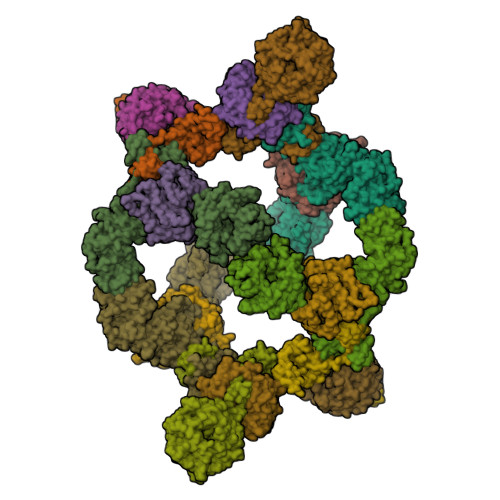
Nutrient sensing is a fundamental biological process that enables organisms to adapt to their environment by regulating cell growth and metabolism in response to nutrient availability. mTOR signaling pathway is evolved to be able to sense environmental cues and coordinates cellular growth, we are focusing the question: How does mTOR sense nutritional cues and coordinates cellular growth ?
Continue reading

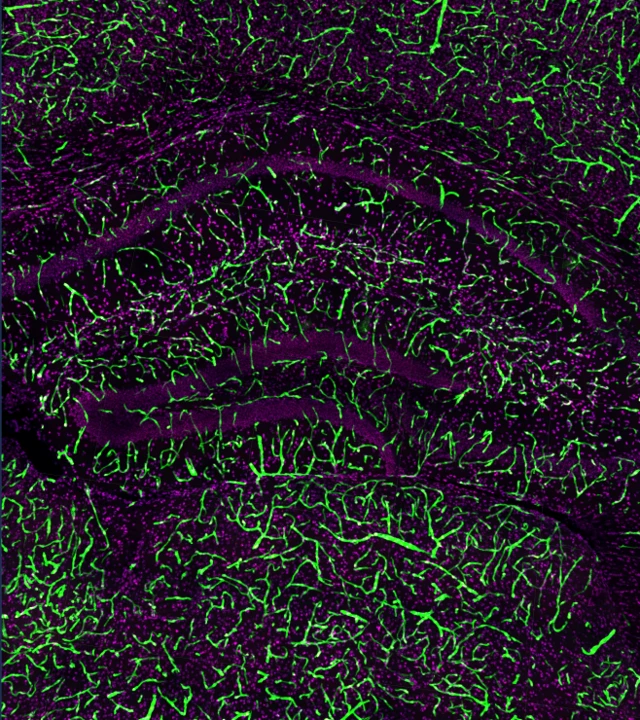
Our goal is to understand the principles underlying the formation of the brain vasculature system. Brain endothelial cells (ECs) are one of the major components of brain vasculature system and involved in many kinds of genetic diseases and neuroninflammation related diseases, like bAVM, CCM, HHT, IA (Intracranial aneurysm), multiple sclerosis (MS) and stroke. We are developing and applying cutting edge technologies to interrogate the signal transduction pathways that involved in disease progression.

Continue reading

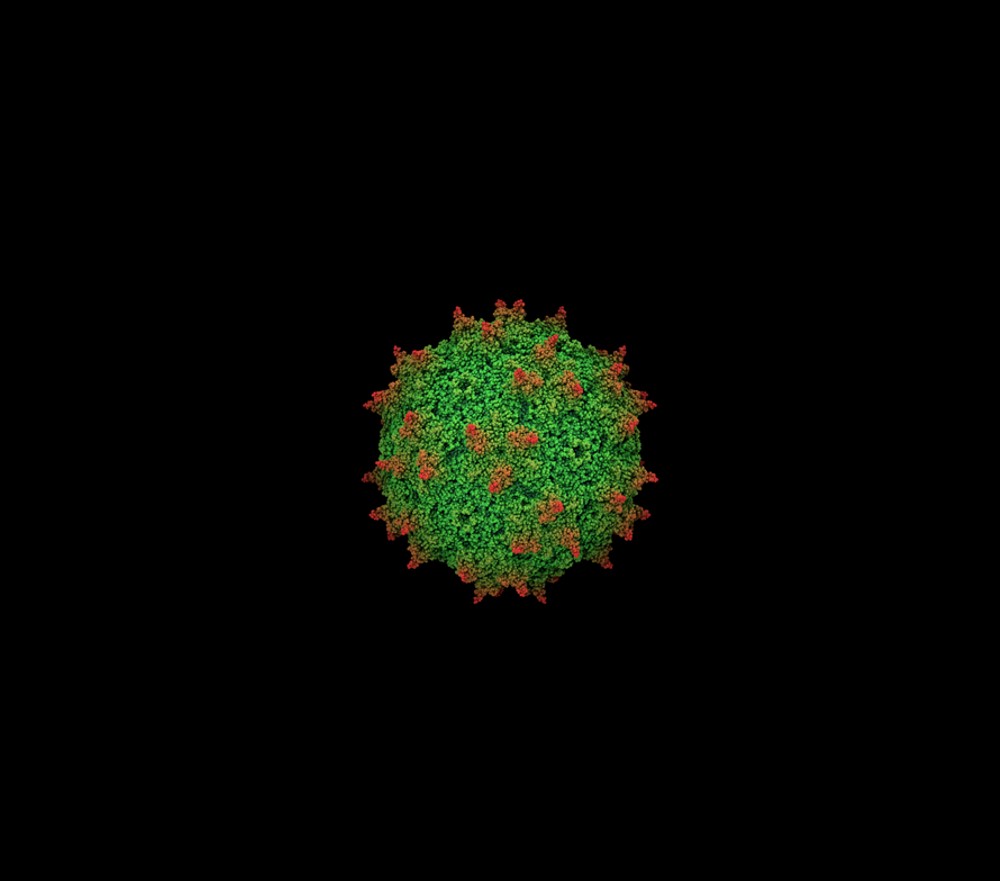
Synthetic protein structures and functions can now be designed entirely on a computer or produced through directed evolution in the laboratory. AAV capsid engineering is based on protein engineering, genetically encoded ion and metabolite sensors can be developed through protein engineering. We leverage this approach to create a next-generation platform for the study of brain vasculature system and brain metabolic system.

Continue reading

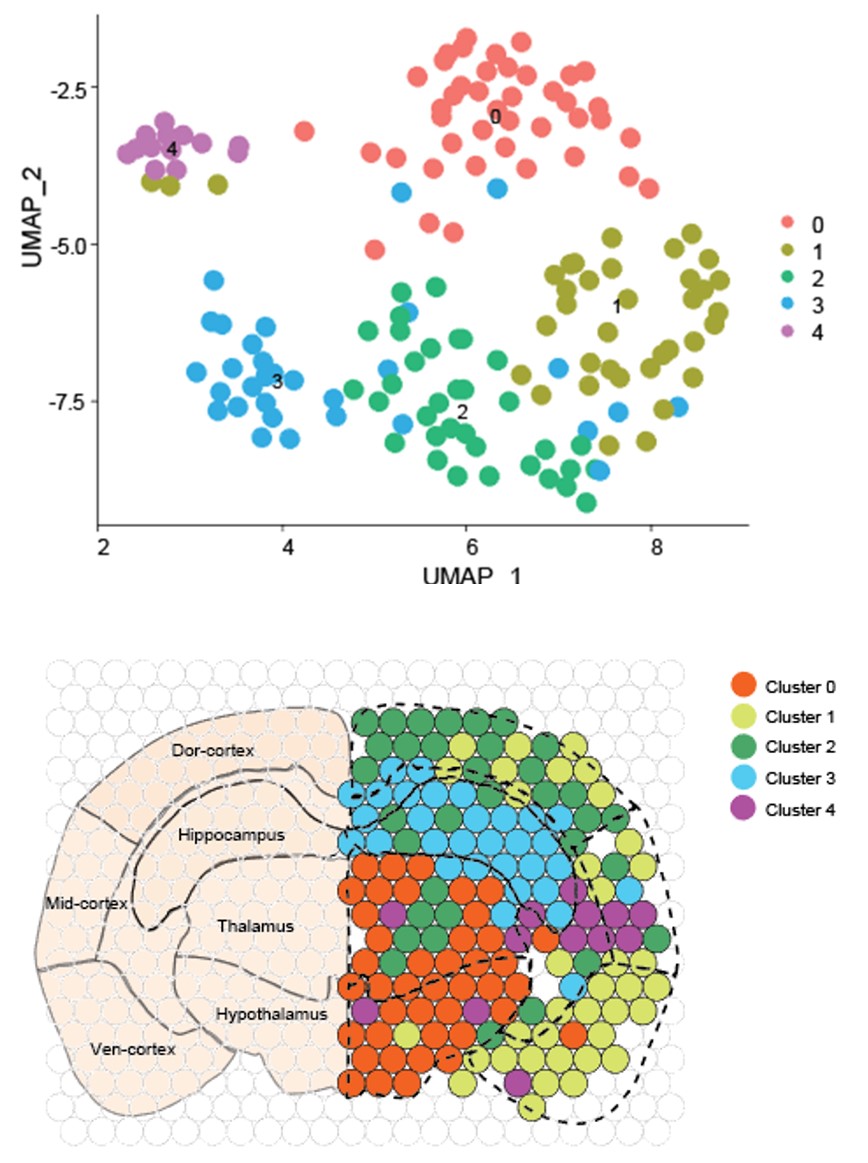
Metabolism is physiologically fundamental to a biological system. Understanding brain metabolism is critical for our comprehensive knowledge of brain function in health and disease. In addition, brain is the most heterogeneous organ across whole body, in order to understand the metabolic basis, a detailed spatial metabolome atlas is needed.

Continue reading

Author's picture

Jun-Liszt Li

Hello, My name is Jun-Liszt Li (Leo). my scientific interest is to understand the molecular logic of cell growth and develop new tools to address specific questions in this path.

Postdoc fellow

Prague, Czech Republic